

Texas parks department warns not to touch baby animals as 'fawning season' approaches
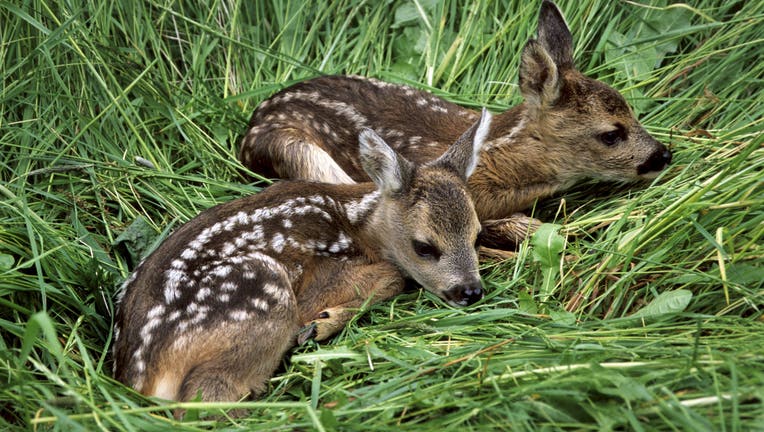
Two roe deer fawns (Capreolus capreolus) lying in grass of meadow. (Photo by: Arterra/Universal Images Group via Getty Images)
AUSTIN, Texas - The Texas Parks and Wildlife Department is reminding residents that baby animals, while cute, are best left alone. In fact, state law prevents human meddling.
The reminder comes just ahead of fawning season — when baby deer start to appear across the Lone Star State.
Texas wildlife reminder
TPWD says they know it's tempting to want to help baby animals that appear to need assistance. However, they're reminding Texans, not only is it illegal to touch the animals, but they often don't need the help.
What they're saying:
"People want to help, but intervening is often the worst thing you can do," said Richard Heilbrun, TPWD Division Deputy Director. "Most young animals are not abandoned, their parents are nearby and will return. The best thing you can do is give them space."
It's illegal to capture or keep wild animals under Texas law without the proper permits, and attempting to relocate them is also not allowed except under very specific regulations.
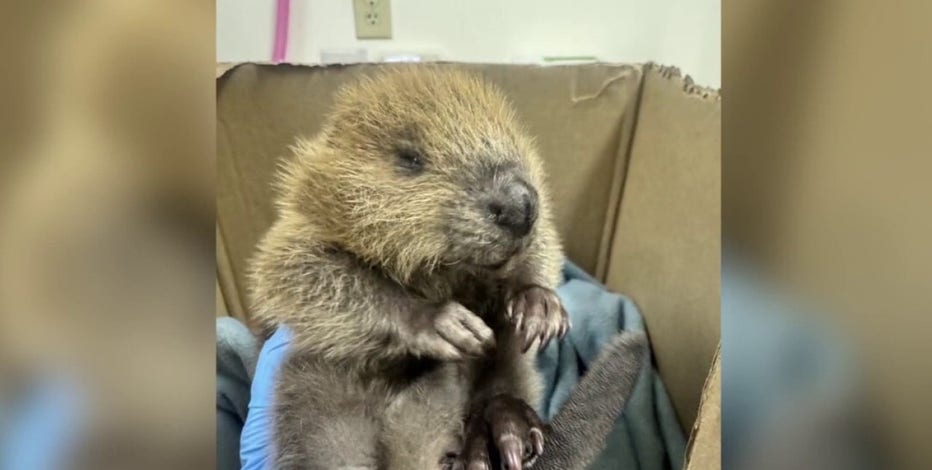
Austin Wildlife Rescue has busy start to spring season with influx of animals
The Austin Wildlife Rescue is off to a busy start to the spring with an influx of fury and feathered friends.
Texas animal sightings
White-tailed deer fawning season starts in early to mid-May, the department says, and mother deer — or does — will often leave their babies hidden for hours at a time before they return to feed them. Since fawns are well-camouflaged with their spotted coats in infancy, those "hiding places" are often in plain sight, where they blend into their surroundings. The department wants residents to know that those fawns aren't abandoned; rather, their mothers are most often out finding food.
Baby birds are also often mistaken as abandoned and in need of rescue. Species like doves, blue jays and mockingbirds will spend a lot of time on the ground as babies while they learn to fly, and it's common to think they need help getting back to safety. In actuality, the department says, their parents are still nearby keeping watch, and humans' attempts to assist can be more of a hindrance.
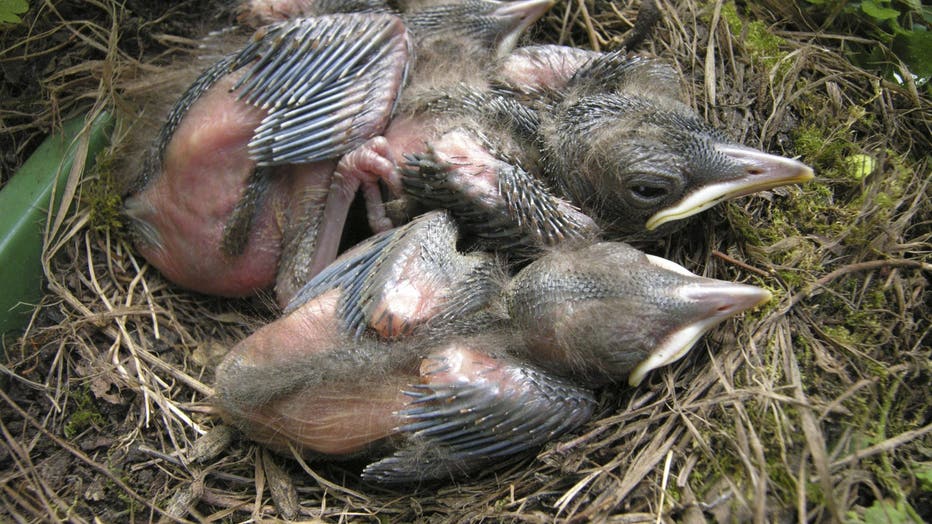
(GERMANY OUT) young blackbirds in the bird's nest (Photo by Hohlfeld/ullstein bild via Getty Images)
Turtles are often seen in Texas this time of year as well, particularly, the department notes, while trying to cross roadways. They provided information about helping the reptiles get out of the path of cars, which you can access here, but they're also reminding residents that wild animals cannot be captured as pets.
Particularly in South Texas at this time of year, alligator sightings are also on the rise. The warmer months ahead of the summer are the reptiles' mating period, and it becomes more common to see them crossing roads or sunning near public waterways. Alligators should be avoided, and pets and children should be kept nearby when in common sighting areas.
More alligator sightings in Houston area during mating season
It’s alligator mating season, which means there have been more gator sightings across the Houston area. Wildlife experts say this is a normal, seasonal pattern, but it also means residents should be cautious when spending time outdoors near water.
How to help wild animals
What you can do:
If you find an animal in the wild that truly seems to need immediate help, the first step should always be to contact the wildlife department.
Reach out to a TPWD wildlife rehabilitator if you find yourself in that position, and never start by trying to handle or relocate an animal on your own.
Learn more about what to do upon encountering orphaned or injured wildlife on the TPWD Wildlife Division website. Tips from biologists regarding fawns and baby birds are available on the TPWD YouTube channel.
The Source: Information in this article comes from the Texas Parks and Wildlife Department.